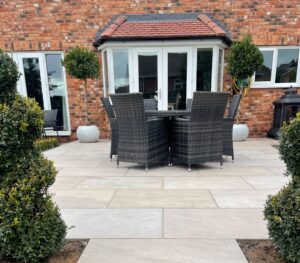
Natural Stone vs Porcelain Patios: Which Is Better?
When it comes to designing and constructing an outdoor patio, one of the most critical decisions homeowners face is selecting the right surface material. Two options dominate the market: natural stone and porcelain. Both offer distinct advantages and drawbacks, and the best choice depends on your specific requirements, budget, and aesthetic preferences. This comprehensive guide examines both materials in detail to help you make an informed decision for your garden.
The choice between natural stone and porcelain paving is more than just a cosmetic consideration. It affects the longevity of your investment, the amount of maintenance required, the overall cost, and how your outdoor space will look and feel for years to come. Understanding the characteristics of each material is essential before committing to a particular option.
Understanding Natural Stone Patios
Natural stone has been used for centuries in garden design, and for good reason. Materials such as sandstone, limestone, granite, and slate offer unparalleled natural beauty and character. Each piece is unique, with variations in colour, texture, and pattern that cannot be replicated artificially.
Aesthetic Appeal
One of the primary advantages of natural stone is its visual appeal. The organic variations in colour and texture create a sophisticated, timeless appearance that enhances any garden. Whether you prefer the warm tones of sandstone, the cool elegance of slate, or the sparkle of granite, natural stone offers authentic beauty that blends seamlessly with the landscape. This aesthetic quality is particularly valued by those seeking to create a high-end, bespoke outdoor space.
Durability and Lifespan
Natural stone is exceptionally durable when properly installed and maintained. Granite and slate, in particular, can last several decades without significant deterioration. However, softer stones like sandstone and limestone are more susceptible to weathering and may require more frequent maintenance in the UK’s temperate climate.
Maintenance Requirements
Natural stone requires regular maintenance to preserve its appearance and longevity. Sealing is essential for most natural stone types, particularly porous materials like sandstone and limestone. This protective coating must be reapplied every 1-3 years, depending on foot traffic and weather exposure. Additionally, natural stone can develop algae or moss growth in damp conditions, requiring periodic cleaning. Stains from organic matter or spills may also penetrate the surface if not sealed adequately.
Cost Considerations
Natural stone is typically more expensive than porcelain, both in material costs and installation. Premium options like granite and slate command higher prices, whilst installation requires skilled labour to ensure proper laying and sealing. However, the investment often reflects the superior longevity and aesthetic value.
Exploring Porcelain Patios
Porcelain has emerged as a modern alternative to natural stone, offering a practical solution for contemporary garden design. Made from clay and minerals fired at extremely high temperatures, porcelain is engineered to replicate the appearance of natural stone, wood, or concrete whilst offering superior performance characteristics.
Modern Design Flexibility
Porcelain tiles are manufactured to precise specifications, allowing for consistency in size, colour, and finish. This makes porcelain ideal for creating uniform patterns and contemporary designs. Modern porcelain can convincingly mimic natural stone textures and colours, providing the aesthetic appeal of traditional materials without some of the practical limitations. Additionally, porcelain offers a wider range of design options, from minimalist patterns to intricate geometric designs.
Superior Durability in UK Weather
Porcelain is remarkably tough and frost-resistant, making it particularly suitable for the British climate. Unlike natural stone, porcelain is non-porous, meaning it will not absorb water and is therefore resistant to freeze-thaw damage. This is a significant advantage in regions experiencing cold winters where natural stone can crack due to ice formation within pores.
Low Maintenance Requirements
One of porcelain’s greatest advantages is its minimal maintenance needs. The non-porous surface resists staining, mould, and algae growth. Regular cleaning with mild soap and water is typically all that is required to maintain porcelain’s appearance. There is no need for sealing or specialist treatments, which represents substantial long-term savings in both time and money.
Cost-Effectiveness
Porcelain is generally less expensive than premium natural stone materials. Installation costs are also typically lower because porcelain tiles are more straightforward to lay and do not require specialised sealing treatments. Over the lifetime of the patio, the reduced maintenance costs associated with porcelain can make it a more economical choice.
Comparing Key Performance Factors
Slip Resistance and Safety
Both materials can be slippery when wet, though textured finishes on both natural stone and porcelain improve grip. Porcelain manufacturers now offer anti-slip coatings, making it an equally safe option. Natural stone’s inherent texture can provide better grip in wet conditions, depending on the specific type chosen.
Temperature and Comfort
Natural stone tends to feel cooler underfoot than porcelain, which some people prefer in summer months. However, both materials will absorb and retain heat from sunlight. If barefoot comfort is a priority during warm weather, consider a material’s thermal properties carefully.
Environmental Impact
Natural stone is a natural product requiring only extraction and finishing, making it an environmentally friendly choice. However, quarrying and transportation contribute to its carbon footprint. Porcelain production requires significant energy, though many manufacturers now prioritise sustainable practices. From a lifecycle perspective, porcelain’s durability and minimal maintenance may offset its manufacturing impact.
Installation Quality
Both materials benefit from professional installation. For a landscape design project of this scale, working with experienced professionals ensures proper installation, drainage, and finishing. Poor installation can compromise the performance and lifespan of either material, so choosing qualified contractors is essential.
Making Your Decision
Choosing between natural stone and porcelain ultimately depends on your priorities and circumstances. If aesthetic authenticity, longevity, and you’re willing to commit to regular maintenance are your priorities, natural stone offers unmatched beauty and character. If low maintenance, cost-effectiveness, superior weather resistance, and modern design flexibility matter more, porcelain is an excellent choice.
Consider your garden’s location, climate exposure, how intensively the patio will be used, and your budget for both initial installation and ongoing maintenance. Those in areas with significant rainfall or freeze-thaw cycles may find porcelain’s weather resistance particularly valuable. If you prefer timeless, high-end aesthetics and are prepared to invest in maintenance, natural stone rewards that commitment with enduring beauty.
Many successful garden designs incorporate both materials strategically, using natural stone in focal areas whilst utilising porcelain for high-traffic zones. This balanced approach combines the best qualities of each material.
When undertaking a comprehensive landscaping project, the patio surface is just one component of a cohesive design strategy. Professional designers often recommend materials that complement your garden’s overall aesthetic whilst meeting practical performance requirements.
Conclusion: Choosing Your Ideal Patio Surface
Both natural stone and porcelain patios offer legitimate advantages, and neither is universally superior. Natural stone delivers timeless beauty and character but requires commitment to maintenance and represents a higher initial investment. Porcelain provides practical durability, minimal upkeep, and modern design flexibility at a more accessible price point.
Before making your final decision, consider consulting with experienced garden design professionals who understand both materials and can assess your specific circumstances. They can recommend solutions tailored to your garden’s climate, usage patterns, and aesthetic vision.
Whether you choose natural stone for its authentic beauty or porcelain for its practical advantages, investing in quality materials and professional installation will ensure your patio remains a valued outdoor space for years to come. If you’re ready to transform your garden with a beautiful new patio, contact our team for expert advice and professional installation services tailored to your needs.